
Understanding the Laparoscopic Total Hysterectomy Procedure: A Complete Guide
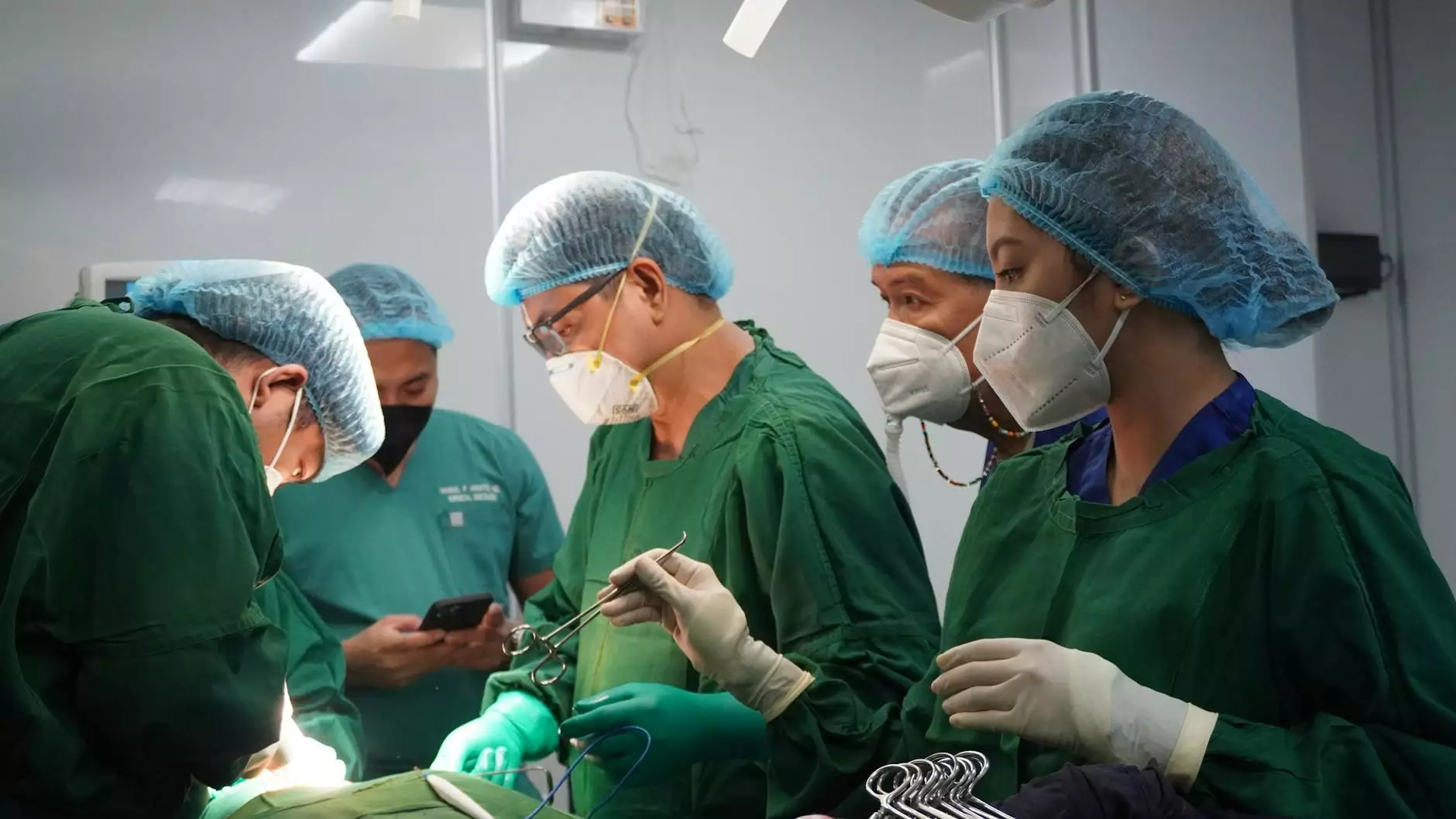
In the realm of modern gynecological surgery, laparoscopic total hysterectomy stands out as a minimally invasive, highly effective procedure that offers women a safer alternative to traditional open surgeries. This advanced surgical technique not only enhances recovery times but also reduces postoperative discomfort and minimizes visible scarring. Recognized by leading obstetricians & gynecologists, including the expert team at drseckin.com, this procedure embodies the integration of cutting-edge technology and compassionate medical care.
What is a Laparoscopic Total Hysterectomy?
A laparoscopic total hysterectomy is a minimally invasive surgical operation where the uterus, including the cervix, is removed through small incisions in the abdomen using a laparoscope—an advanced surgical instrument equipped with a camera and surgical tools. Unlike traditional open hysterectomy, which involves a large abdominal incision, laparoscopic techniques leverage the benefit of smaller cuts, typically less than an inch long, leading to lower risks, quicker recovery, and less postoperative pain.
Why Choose a Laparoscopic Total Hysterectomy?
This procedure serves as an excellent option for women suffering from a range of medical conditions, such as:
- Uterine fibroids causing significant symptoms
- Persistent abnormal uterine bleeding unresponsive to other treatments
- Endometriosis leading to severe pain
- Uterine prolapse
- Cancerous or pre-cancerous uterine conditions
Advantages of the Laparoscopic Approach
- Reduced Surgery Time: Often shorter than traditional procedures, minimizing anesthesia duration.
- Less Postoperative Pain: Smaller incisions result in decreased discomfort and faster mobility.
- Shorter Hospital Stay: Many patients are discharged within 24 hours.
- Minimal Scarring: Fine incisions lead to cosmetically favorable outcomes.
- Faster Recovery: Return to normal activities within a few days to weeks.
- Lower Risk of Infection: Small incisions reduce the chances of postoperative infections.
The Step-by-Step Process of Laparoscopic Total Hysterectomy
The surgical journey of a laparoscopic total hysterectomy is a meticulous process guided by experienced obstetricians and gynecologists. Here’s a detailed overview of the procedure:
Preoperative Preparation
Prior to surgery, comprehensive assessments are performed, including imaging studies and blood tests. Patients receive instructions on fasting and medication adjustments to optimize safety.
Surgical Procedure
- Anesthesia: The patient is administered general anesthesia to ensure comfort and immobility throughout the operation.
- Placement of Trocar Ports: Small incisions are made, typically in the lower abdomen, through which trocars (hollow tubes) are inserted.
- Introduction of Laparoscope and Instruments: The laparoscope transmits real-time images to the surgical team, guiding the precise dissection.
- Uterine Detachment: The surgeon meticulously cuts the ligaments supporting the uterus, including the broad, uterosacral, and cardinal ligaments.
- Removal of the Uterus: The entire uterine structure, along with the cervix, is carefully detached and extracted. Depending on the case, the uterus may be removed through the vaginal canal or extracted in fragments.
- Hemostasis and Inspection: The surgical field is examined to ensure all bleeding is controlled, and all structures are confirmed to be properly detached.
- Closure: The small incisions are closed with sutures or surgical glue, ensuring minimal scarring.
Postoperative Care and Recovery
Following a laparoscopic total hysterectomy, patients are monitored closely for any signs of complications. In most cases, recovery is swift, and patients can expect:
- Discharge within 24-48 hours: Many women are able to leave the hospital shortly after surgery.
- Minimal Postoperative Pain: Managed with prescribed medications.
- Return to Normal Activities: Light activities can typically resume within a few days, with strenuous activities avoided for several weeks.
- Follow-Up Appointments: Regular check-ups are scheduled to monitor healing and address any concerns.
Risks and Considerations of the Procedure
While laparoscopic total hysterectomy is generally safe, potential risks include:
- Infection
- Bleeding
- Injury to surrounding organs such as the bladder or bowel
- Adverse reactions to anesthesia
- Loss of ovarian function if the ovaries are removed
Choosing an experienced surgeon and comprehensive preoperative evaluations significantly mitigate these risks.
Choosing the Right Specialist for Your Laparoscopic Total Hysterectomy
Expertise matters immensely in surgeries like laparoscopic total hysterectomy. The surgeons at drseckin.com have dedicated years of experience in obstetrics and gynecology, specializing in minimally invasive procedures. Their commitment to personalized patient care, cutting-edge technology, and surgical precision makes them the preferred choice for women seeking safe and effective gynecological surgeries.
Innovations and Future Trends in Gynecological Surgery
The landscape of gynecological surgery is continually evolving. Advances such as robotic-assisted hysterectomy, 3D imaging, and improved laparoscopic instruments are pushing the boundaries of minimally invasive care. These innovations promise even shorter recovery times, greater precision, and expanded surgical options for complex cases.
Conclusion: Embrace the Benefits of Modern Gynecological Surgery
The laparoscopic total hysterectomy procedure exemplifies how modern technology and specialized expertise can transform patient outcomes. For women experiencing medically indicated conditions affecting the uterus, this minimally invasive approach offers a safer, more comfortable, and highly effective treatment option. When considering such a procedure, selecting a highly qualified team, like the dedicated obstetricians and gynecologists at drseckin.com, ensures optimal results and peace of mind.
Empowering women through access to innovative, safe, and compassionate gynecological care remains a priority for leading specialists worldwide. With ongoing advancements, the future of gynecological health looks brighter than ever, assuring women of effective solutions tailored to their needs.


