Understanding the Hysteroscopy Test: A Critical Diagnostic Tool in Female Reproductive Health
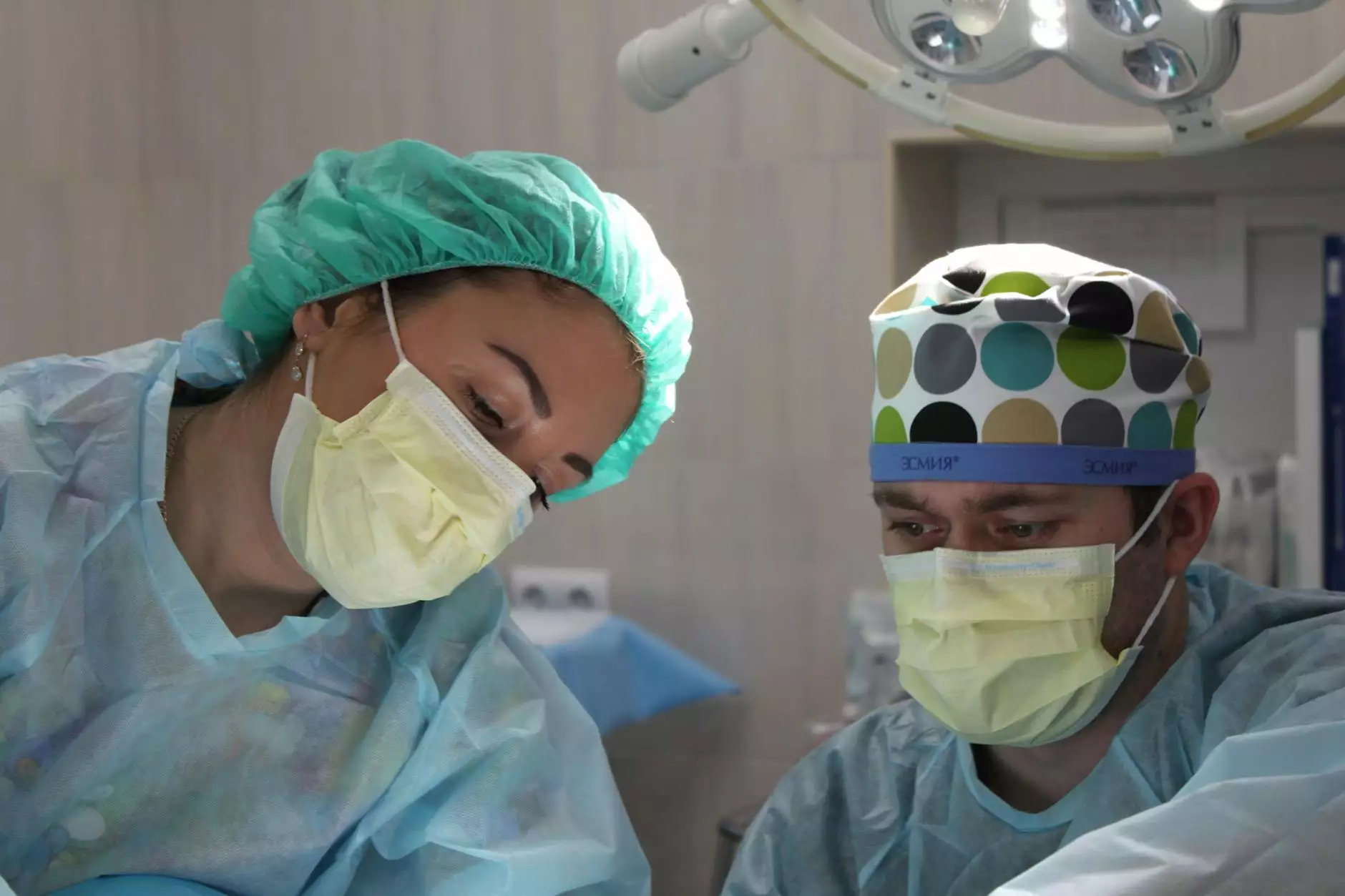
The hysteroscopy test has revolutionized the way healthcare professionals evaluate and treat conditions related to the uterine cavity. As an advanced minimally invasive procedure, it offers unparalleled insight into a myriad of gynecological issues, ultimately empowering women to achieve better reproductive health and overall well-being. This comprehensive guide delves into every facet of the hysteroscopy test, exploring its significance, procedure, benefits, potential risks, and why choosing expert gynecologists at drseckin.com is essential for optimal health outcomes.
What Is a Hysteroscopy Test?
The hysteroscopy test is a diagnostic and therapeutic procedure that allows healthcare providers to visualize the inside of the uterus using a specialized instrument called a hysteroscope. This slender, tubular device is equipped with a light source and a camera, transmitting real-time images to a monitor, enabling precise examination and intervention.
This procedure typically takes less than 30 minutes and can be performed in an outpatient setting, often without the need for hospital admission. It provides direct access to uterine abnormalities, such as polyps, fibroids, adhesions, and congenital malformations, facilitating accurate diagnosis and minimally invasive treatment options.
The Science Behind the Hysteroscopy Test
At its core, the hysteroscopy test involves inserting the hysteroscope through the vagina and cervix into the uterine cavity. The procedure is usually carried out with local anesthesia, sedation, or under general anesthesia depending on the complexity. Once inside, the physician can inspect the endometrial lining, identify abnormalities, and perform procedures such as removal of polyps or tissue samples (biopsies).
Innovations in hysteroscopic technology, including high-definition cameras and operative hysteroscopes, have significantly enhanced the precision, safety, and comfort of this diagnostic tool.
Indications for the Hysteroscopy Test
The hysteroscopy test is indicated in various gynecological conditions and diagnostic situations, including:
- Evaluation of abnormal uterine bleeding – Heavy or irregular bleeding patterns
- Investigation of infertility issues – To identify structural abnormalities obstructing conception
- Recurrent pregnancy loss – To detect intrauterine adhesions or anomalies
- Diagnosis of uterine polyps and fibroids
- Detection of intrauterine adhesions (Asherman's syndrome)
- Assessment post-miscarriage or postpartum bleeding complications
- Evaluation of congenital uterine anomalies – Septa, bicornuate uterus, or other malformations
- Treatment of intrauterine pathology – Polypectomy, myomectomy, adhesion removal
Advantages of the Hysteroscopy Test
The popularity of the hysteroscopy test stems from its numerous coalescing benefits:
- Minimally invasive nature: No large incisions or extensive anesthesia are required.
- High accuracy: Direct visualization allows for precise diagnosis and targeted treatment.
- Reduced recovery time: Most patients resume normal activities within a day or two.
- Simultaneous diagnosis and treatment: Conditions identified during the procedure can often be addressed immediately.
- Lower risk of complications compared to traditional open surgeries.
- Cost-effective: Fewer hospital stays and faster recovery make it economical.
- Enhanced patient safety and comfort: The procedure is performed with topical or local anesthesia in outpatient clinics.
The Step-by-Step Process of the Hysteroscopy Test
Preparation Phase
Prior to the hysteroscopy test, patients should consult with their gynecologist to discuss medical history, medications, and any allergies. In some cases, a preliminary ultrasound or saline infusion sonohysterography may be performed for better assessment.
The Procedure
- Patient positioning: The patient lies on the examination table with feet in stirrups.
- Anesthesia administration: Depending on the case, local anesthesia, sedation, or conscious sedation may be used to ensure comfort.
- Insertion of the hysteroscope: The device is gently guided through the vagina and cervix into the uterine cavity.
- Visualization and assessment: Real-time images are examined for pathology.
- Therapeutic intervention: If necessary, procedures such as tissue removal, polyp excision, or adhesiolysis are performed during the same session.
- Completion and recovery: The hysteroscope is carefully removed, and the patient is monitored as anesthesia wears off.
Post-Procedure Care
Most patients experience minimal discomfort—such as cramping or light bleeding—and are advised to rest for the remainder of the day. It’s essential to avoid tampons, vigorous exercise, and sexual activity for a few days postpartum. Follow-up consultations are scheduled to discuss findings and additional treatments if necessary.
Potential Risks and Complications of the Hysteroscopy Test
While generally safe, the procedure carries some risks. These are relatively rare but important to understand:
- Uterine perforation: A small tear in the uterine wall, usually self-limited.
- Infection: Rare but can be minimized with sterile technique and antibiotics if necessary.
- Bleeding: Mild spotting post-procedure is common.
- Adverse reaction to anesthesia: Managed effectively with appropriate precautions.
- Vasovagal symptoms: Dizziness or fainting in some cases.
Choosing experienced gynecologists at clinically advanced centers such as drseckin.com ensures minimization of these risks through meticulous technique and patient-centered care.
Why Choose Expert Gynecology Care at drseckin.com for Your Hysteroscopy Test?
When it comes to gynecological health, expertise matters. Dr. Seckin and his team are renowned for their commitment to excellence, employing the latest advancements in hysteroscopic technology and patient care. Here’s why their services stand out:
- Comprehensive evaluation: Thorough diagnostics combined with personalized treatment plans.
- State-of-the-art facilities: Equipped with advanced hysteroscopic systems to ensure safety and precision.
- Patient-centered approach: Clear communication, empathy, and understanding of individual concerns.
- Minimally invasive expertise: Achieving effective results with minimal discomfort and downtime.
- Success in complex cases: Proven track record of managing complicated uterine conditions successfully.
Choosing experienced professionals like those at drseckin.com guarantees thorough assessment, effective treatment, and peace of mind throughout your hysteroscopy test journey.
Conclusion: Embracing Better Women's Health through the Hysteroscopy Test
The hysteroscopy test stands as a cornerstone in modern gynecology, offering women an invaluable window into their uterine health. Its minimally invasive nature, coupled with diagnostic and therapeutic capabilities, empowers women and healthcare providers alike to address reproductive issues proactively and effectively.
If you're facing reproductive health concerns or require a detailed uterine evaluation, consulting top gynecologists such as those at drseckin.com ensures that you receive world-class care rooted in expertise, advanced technology, and compassionate treatment.
Invest in your feminine health today, and take a confident step toward a healthier, happier future with the hysteroscopy test.