Ultimate Guide to Grain Bin Systems
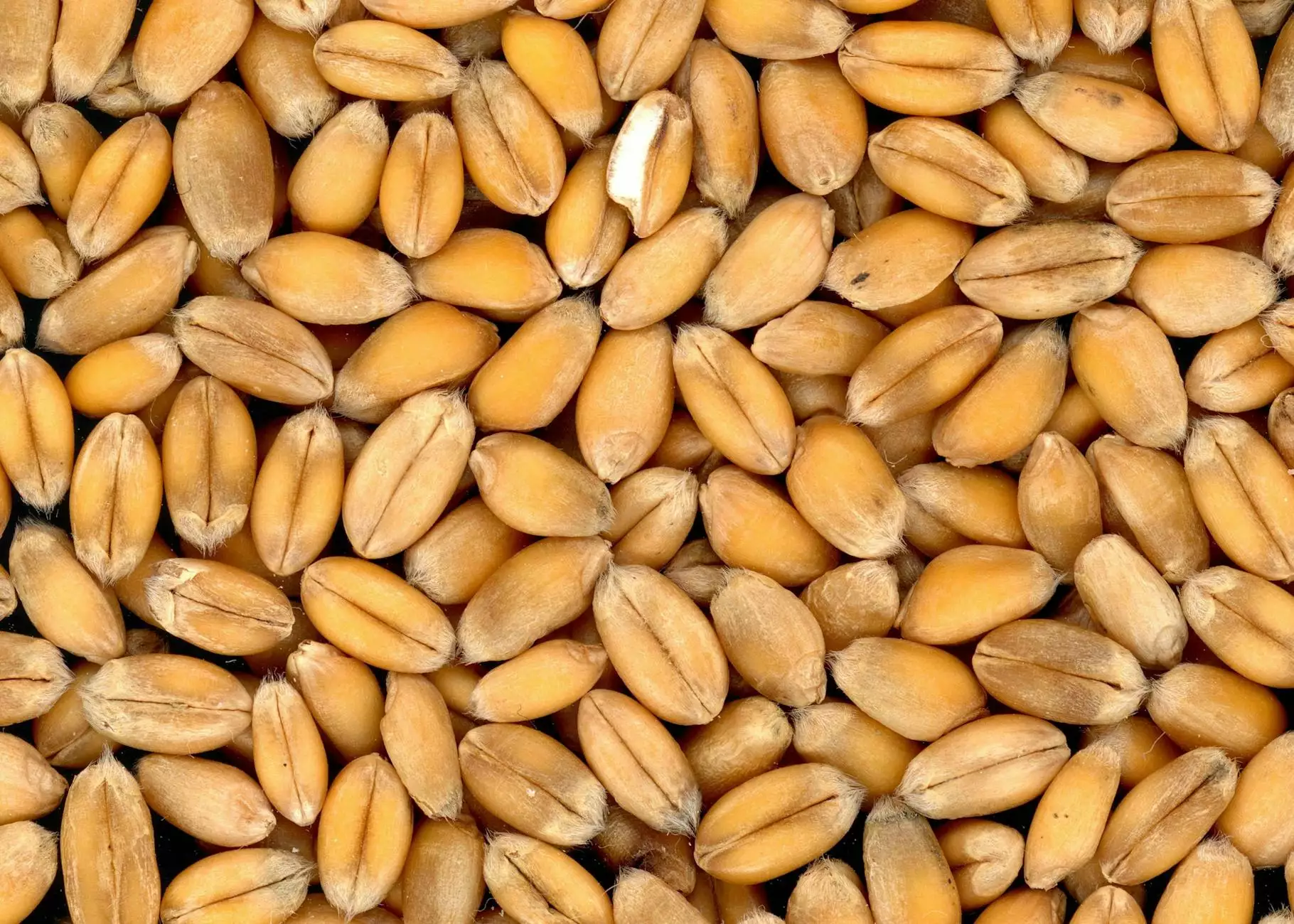
In modern agriculture, the significance of grain bin systems cannot be overstated. They are crucial for the storage and preservation of grains, ensuring that farmers can maintain high-quality crops until they are ready for sale or processing. This comprehensive article delves into the multiple aspects of grain bin systems, challenges faced by farmers, and the superior solutions provided by companies such as TSGC Inc.
What are Grain Bin Systems?
Grain bin systems are specialized storage systems designed to store, protect, and preserve grains efficiently. These systems come in various sizes and types, catering to different agricultural needs. By utilizing a series of bins, farmers can better manage the storage of various types of grains, including corn, wheat, and soybeans.
Types of Grain Bin Systems
- Vertical Bins: These are cylindrical structures that provide a compact storage solution, ideal for large volumes of grain.
- Flat Bins: Often used for on-site storage, flat bins are ground-level structures that offer flexibility in capacity.
- Corrugated Bins: Made from galvanized steel, corrugated bins are durable and resistant to rust, making them a popular choice for many farmers.
- Hopper Bins: These bins feature a sloped design, allowing for easy unloading of grain, making them efficient for farmers who need quick access to stored products.
Why Are Grain Bin Systems Important?
Utilizing grain bin systems is imperative for several reasons:
- Quality Preservation: Proper storage in grain bin systems helps maintain the quality of grains by protecting them from pests, moisture, and other environmental conditions.
- Efficient Management: These systems enable farmers to harvest and store grains at optimal times, allowing for better management of their inventory and cash flow.
- Cost-Effectiveness: Investing in grain bin systems reduces the costs associated with spoilage and waste.
- Flexibility: Diverse bin designs cater to different types of crops, allowing farmers to switch between crops without needing to change their entire storage setup.
Key Components of Grain Bin Systems
Understanding the components of grain bin systems allows farmers and agricultural businesses to make informed decisions when investing in these structures. Some essential parts include:
1. Bin Structure
The bin itself is fundamental. The materials used, such as galvanized steel or aluminum, play a crucial role in durability and resistance to environmental conditions.
2. Aeration Systems
Effective aeration is essential to maintain the quality of grain. Aeration systems help control temperature and moisture levels within the bins, preventing spoilage and promoting a healthy storage environment.
3. Conditioning Systems
These systems monitor and control moisture and temperature, preserving the quality of stored grains and prolonging their shelf life.
4. Loading and Unloading Mechanisms
Efficiency in operation is key. Advanced loading and unloading systems ensure that grains can be moved in and out swiftly, saving time and labor costs.
How TSGC Inc. Supports Your Grain Bin Needs
At TSGC Inc., we pride ourselves on providing top-notch services in farm equipment repair and manufacturing state-of-the-art farming equipment. Our expertise extends across various sectors of agriculture, ensuring that we are equipped to address any issues with your grain bin systems promptly and efficiently.
Expert Repair Services
Maintaining your grain bin systems is crucial for optimal performance. Our skilled technicians specialize in diagnosing and repairing common issues, ensuring that your storage systems operate seamlessly.
New Equipment Solutions
In addition to repairs, TSGC Inc. offers customized farming equipment solutions. Whether you need a new aeration system or updated conditioning units, we can design and supply the right tools for your agricultural needs.
Challenges in Grain Bin Storage
While grain bin systems offer numerous advantages, they also present certain challenges that farmers must address:
Pest Infestation
Pests can pose a significant threat to stored grain. Regular inspections and preventive measures are necessary to protect your investment.
Moisture Control
Excess moisture can lead to mold and spoilage. Monitoring moisture levels and investing in robust aeration and conditioning systems are key to preventing this issue.
Structural Integrity
Over time, factors such as rust, corrosion, and physical damage can compromise the structural integrity of grain bins. Regular maintenance checks are essential.
Maximizing the Efficiency of Your Grain Bin Systems
To ensure that your grain bin systems function optimally, consider implementing the following strategies:
Regular Maintenance Checks
Conduct routine inspections to identify and rectify potential issues before they escalate. This includes checking the aeration systems, moisture levels, and structural integrity of the bins.
Invest in Quality Equipment
Choosing high-quality materials and systems will significantly enhance the lifespan and efficiency of your grain storage solutions.
Utilize Technology
The advent of smart technologies has revolutionized grain storage. Implementing sensors for moisture monitoring, automatic aeration control, and temperature regulation can tremendously improve efficiency.
Future Trends in Grain Bin Systems
The future of grain bin systems looks promising, with ongoing innovations aimed at enhancing efficiency, sustainability, and cost-effectiveness. Some key trends include:
Smart Storage Solutions
As technology continues to advance, smart grain storage solutions equipped with AI and IoT will gain prominence. These systems will allow for real-time monitoring and management, ensuring optimal grain conditions.
Sustainable Practices
With a global push towards sustainability, there will be a greater focus on green technologies that reduce waste and improve the environmental footprint of agricultural practices.
Enhanced Safety Features
Safety will remain a priority, with ongoing developments in safety features for grain bin systems, protecting both equipment and personnel.
Conclusion
In summary, grain bin systems play a pivotal role in modern agriculture. By choosing high-quality systems and adhering to maintenance best practices, farmers can reap the benefits of effective grain storage. With TSGC Inc. leading the way in farm equipment repair and supply of farming equipment, you can trust us to support your agricultural needs. Embrace the future of farming with innovative storage solutions that promote efficiency, sustainability, and quality.
For more information on grain bin systems and our services, visit tsgcinc.com today!