The Essential Guide to Printer Inkjet Ink
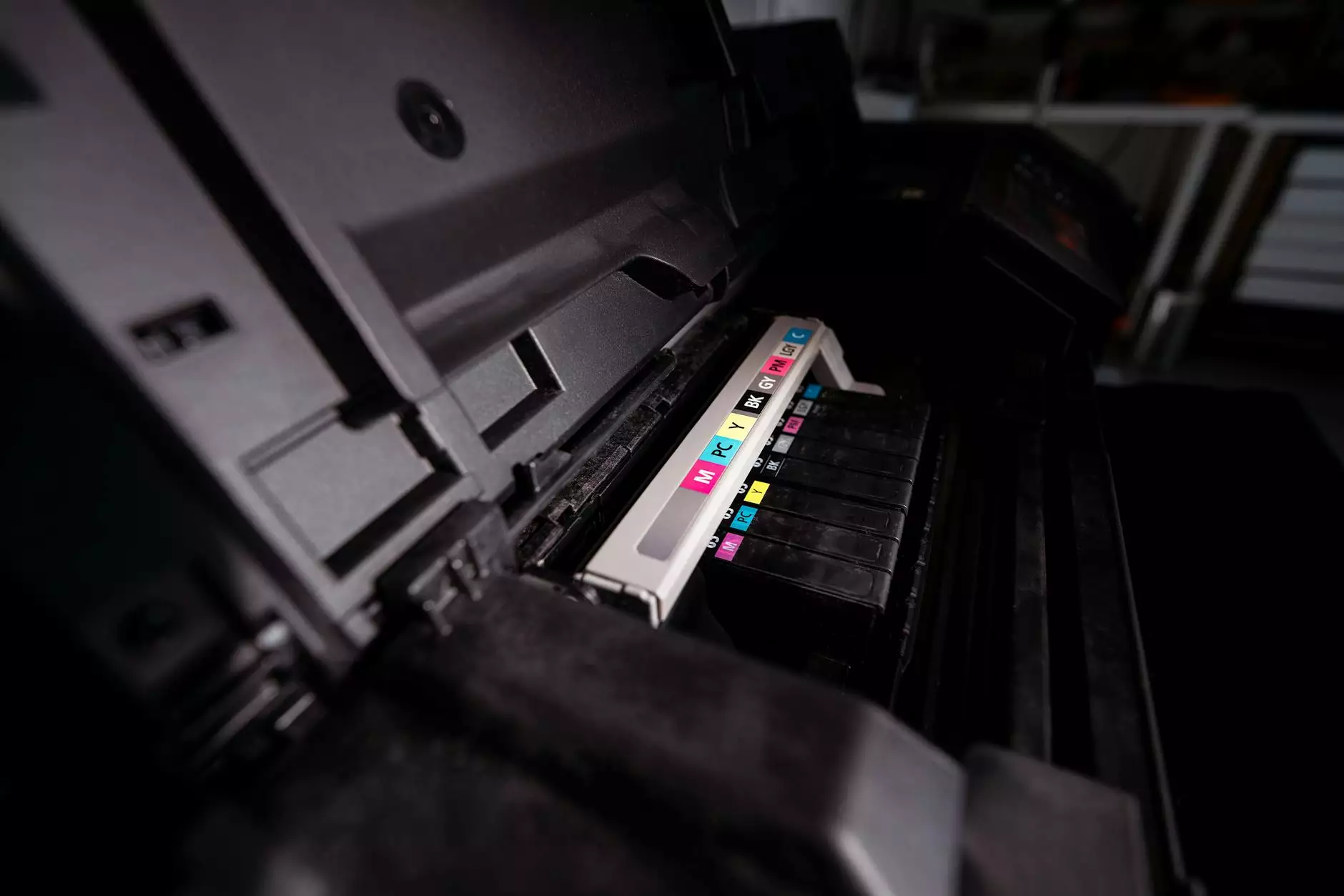
In the realm of printing technology, few components are as crucial as printer inkjet ink. This remarkable fluid not only facilitates the reproduction of images and texts on paper but also plays a significant role in determining the quality and durability of printed materials. In this comprehensive guide, we will delve into everything you need to know about printer inkjet ink, covering its composition, types, and tips for selecting the best products for your printing needs.
What is Printer Inkjet Ink?
Printer inkjet ink is a specialized liquid formulation designed for use in inkjet printers. Unlike traditional printing methods, inkjet technology relies on a series of tiny nozzles that spray ink onto the paper to create images and text. This process allows for high-resolution printing, making it a popular choice for both home and office environments.
Composition of Inkjet Ink
The composition of printer inkjet ink typically includes:
- Colorants: These can be dyes or pigments that provide the color in printed images.
- Solvents: These help dissolve colorants, facilitating smoother flow and application.
- Surfactants: These substances improve the wetting properties of the ink, ensuring it spreads evenly on the paper.
- Additives: Various chemicals are included to enhance properties such as drying time and stability.
Types of Printer Inkjet Ink
Understanding the different types of printer inkjet ink is crucial for selecting the right one for your needs. The two primary categories are:
Dye-Based Ink
Dye-based inks are known for their vibrant colors and excellent color accuracy. Their primary features include:
- Vibrancy: Dye-based inks produce vivid and bright prints that are particularly effective for photographs and color-rich documents.
- Cost-Effectiveness: Generally, dye-based inks are less expensive than their pigment-based counterparts.
- Saturation: These inks offer deep saturation, making them ideal for glossy paper.
However, dye-based inks can be less water-resistant and may fade over time if exposed to sunlight.
Pigment-Based Ink
Pigment-based inks contain larger particles that provide several advantages:
- Longevity: These inks are more resistant to fading and can last much longer than dye inks—essential for archival purposes.
- Water Resistance: Pigment inks are generally more water-resistant, making them suitable for a variety of paper types.
- Print Quality: Pigment-based inks produce sharp and detailed prints, perfect for professional documents and fine art reproductions.
Choosing the Right Printer Inkjet Ink
When selecting printer inkjet ink, consider the following factors:
1. Printer Compatibility
Always verify that the ink you choose is compatible with your specific printer model. Most manufacturers provide guidelines on compatible inks.
2. Desired Print Quality
Your choice should align with the desired print quality. For professional-grade images, opt for pigment inks. For vibrant color prints, dye-based inks may be more suitable.
3. Print Purpose
Consider what you will be printing. High-quality photos, everyday documents, or archival prints will all have different requirements.
4. Cost and Yield
Think about the cost-effectiveness of your ink purchase. Some inks may be cheaper upfront but offer lower yields, leading to higher costs over time.
5. Environmental Impact
Investigate the environmental implications of the inks. Some brands offer eco-friendly options that are biodegradable and contain fewer harmful chemicals.
Benefits of Using High-Quality Printer Inkjet Ink
Investing in high-quality printer inkjet ink comes with myriad benefits, including:
1. Enhanced Print Quality
Quality inks produce sharper images and richer colors, enhancing the overall aesthetic of your prints. Good inks reduce graininess and improve detail.
2. Cost Efficiency
Although premium inks may have a higher upfront cost, their longevity and superior performance can lead to overall savings by decreasing waste and enhancing productivity.
3. Consistency
Using high-quality inks ensures consistent performance across different printing jobs, crucial for businesses that rely on uniform document appearance.
4. Environmental Sustainability
By choosing inks with sustainable ingredients and practices, businesses can demonstrate a commitment to reducing their ecological footprint.
Common Misconceptions About Printer Inkjet Ink
Several misconceptions about printer inkjet ink can lead to poor choices. Here are a few:
- All inks are the same: In reality, ink formulations can vary widely, and choosing the wrong ink can result in subpar print quality and printer damage.
- Generic inks perform just as well as branded ones: Generic brands may be cheaper, but they often do not meet the same quality standards and could void your printer’s warranty.
- More expensive ink is always better: While quality is important, it’s essential to assess your specific needs, as not all high-cost inks provide the same benefits.
Maintenance Tips for Your Inkjet Printer
To ensure optimal performance from your printer and printer inkjet ink, adopt the following maintenance practices:
1. Regular Cleaning
Keep the print heads clean to prevent clogging. Most printers have built-in cleaning cycles you should run periodically.
2. Use Your Printer Regularly
Regular use prevents the ink from drying out and clogging the nozzles, ensuring consistent performance.
3. Store Inks Properly
Keep ink cartridges in a cool, dry place, away from direct sunlight, to prolong their usability.
4. Monitor Ink Levels
Keep an eye on ink levels and replace cartridges before they run completely dry to avoid damage to the printer.
The Future of Printer Inkjet Ink
With advancements in technology, the future of printer inkjet ink looks promising. Innovations include:
1. Eco-Friendly Inks
Increasing demand for sustainable products has prompted manufacturers to develop eco-friendly inks that use biodegradable ingredients and fewer harmful chemicals.
2. Enhanced Durability
Research is ongoing to create inks that offer even greater resiliency against fading and water damage, tailored for archival purposes.
3. Smart Inks
Emerging technologies are introducing 'smart' inks that can change color or interact with environmental factors, leading to innovative printing solutions.
Conclusion
Understanding the intricacies of printer inkjet ink is essential for anyone looking to achieve the highest quality in their printing endeavors. From the type of ink you choose to the maintenance of your printer, each decision impacts the final output. At Boston Industrial Solutions, we specialize in providing high-quality printing services tailored to meet your specific needs. Embrace the potential of your inkjet printer by investing in quality ink and proper maintenance. Your documents and images deserve nothing less than the best.