Transform Your Garden: Embrace the Pumkpin Revolution
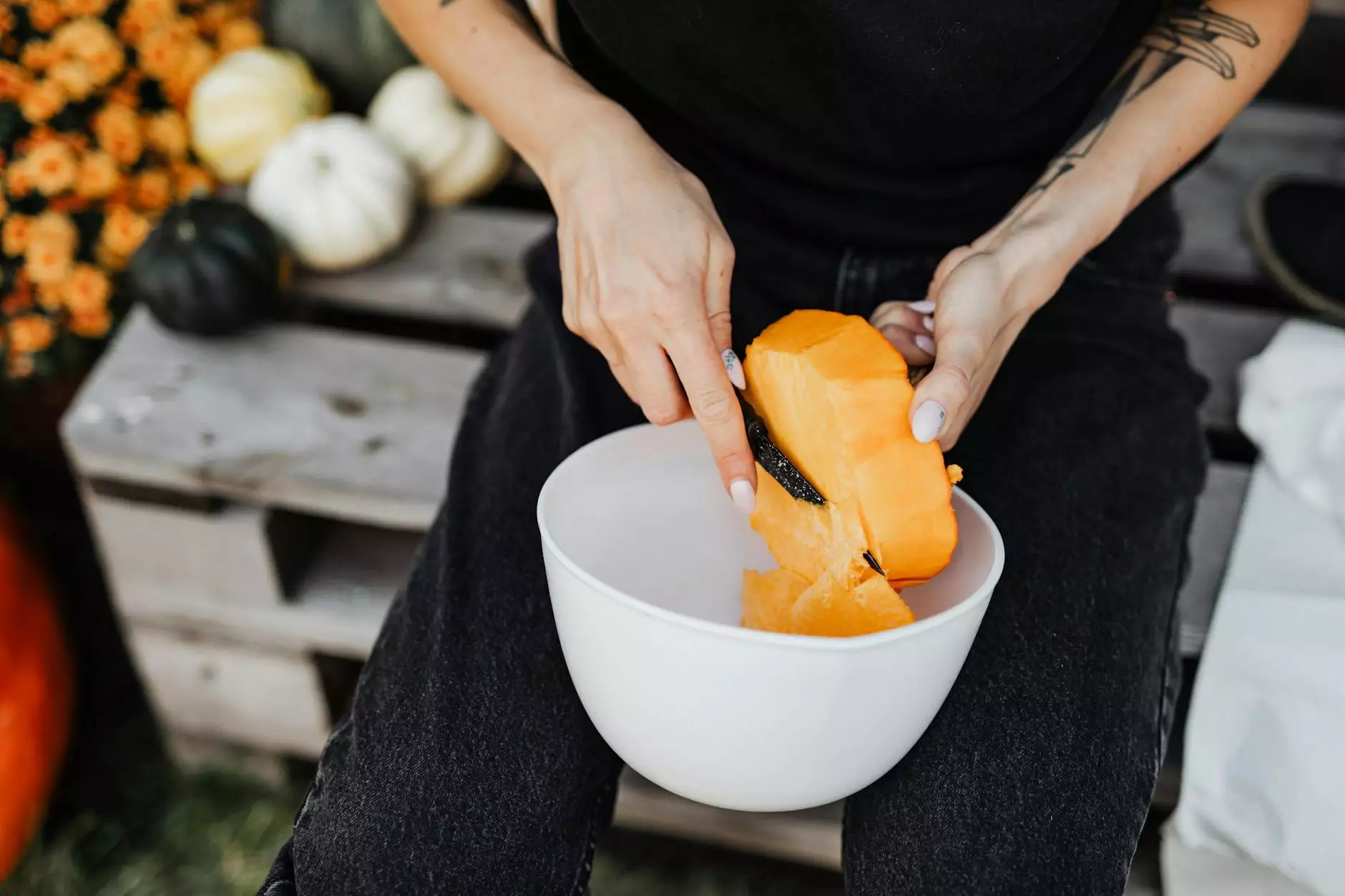
Gardening is not just a hobby; it’s a path to relaxation, creativity, and sustainable living. One of the most exciting aspects of gardening is the ability to cultivate unique and vibrant plants that can enhance any outdoor space. Among these, the remarkable pumkpin stands out. This article delves into the world of pumkpins, offering insights on their benefits, cultivation techniques, and creative applications in your garden.
What is a Pumkpin?
To understand the pumkpin, we must first clarify that it is a playful variation of the beloved pumpkin, often associated with the autumn season. These delightful gourds are not only visually appealing but are also incredibly versatile in the garden.
Why Choose Pumkpins for Your Garden?
- Visual Appeal: Pumkpins add vibrant colors and interesting shapes to your garden.
- Versatility: Use them for decoration, cooking, or even as natural animal feed.
- Seasonal Value: They are perfect for autumn displays and can be harvested for winter use.
The Benefits of Growing Pumkpins
Growing pumkpins can significantly enhance your outdoor space while providing a bounty of benefits. Here are some of the most prominent advantages:
1. Nutritional Benefits
Pumkpins are rich in essential nutrients. They are a great source of vitamins A and C, fiber, and antioxidants. Incorporating pumkpin into your diet can contribute to improved eye health, boosted immunity, and better digestion.
2. Eco-Friendly Practices
Growing pumkpins encourages eco-friendly gardening practices. They can thrive on limited resources and are often resilient to pests when cultivated in healthy soil. Utilizing organic gardening methods for pumkpin will also reduce your reliance on chemical fertilizers and pesticides.
3. Educational Opportunities
For families, growing pumkpins can be an excellent educational activity for children. It provides a hands-on experience in understanding life cycles, biology, and the importance of gardening and sustainability.
How to Cultivate Pumkpins
The process of cultivating pumkpins can be enjoyable and fulfilling. Here’s a step-by-step guide to help you grow the best pumkpin crop:
1. Selecting the Right Variety
There are several varieties of pumkpins available, including traditional orange pumpkins, small decorative types, and even blue or white pumkpins. Choose a variety that fits your garden's aesthetic and your personal preference.
2. Preparing the Soil
Pumkpins thrive in well-drained, loamy soil enriched with organic matter. Here’s how to prepare:
- Test Soil: Check pH levels (a pH of 6.0 to 6.8 is ideal).
- Amend: Incorporate compost or well-rotted manure to enrich the soil.
- Till: Break up the soil to create a loose, airy foundation for your seeds.
3. Planting Pumkpins
Timing is crucial when planting pumkpins. Here’s the best approach:
- When to Plant: Sow seeds after the last frost date in your area. Pumkpins require warm soil to germinate.
- Seed Depth: Plant seeds about 1 inch deep and space them approximately 3-4 feet apart to allow proper growth.
- Watering: Water immediately after planting and keep the soil consistently moist until seedlings emerge.
4. Maintaining Your Pumkpin Plants
Pumkpins require ongoing care to ensure successful growth:
- Watering: Provide 1 inch of water per week, more during dry spells.
- Fertilizing: Apply a balanced fertilizer once the plants reach 3-4 inches in height.
- Pest Control: Monitor for common pests such as squash bugs and remove them promptly.
Creative Uses for Pumkpins
Once you have successfully grown your pumkpin, the fun doesn’t stop! There are numerous creative uses for your harvest:
1. Decorative Displays
Use pumkpins in seasonal decorations for your home or garden. Arrange them in creative displays at your front entrance or throughout your patio.
2. Culinary Delights
Pumkpins are not only decorative but delicious too! Cook with pumkpin to create scrumptious soups, pies, and even smoothies. Here’s a simple recipe:
- Pumkpin Soup: Sauté onions and garlic, add roasted pumkpin chunks, vegetable broth, and seasonings. Blend for a creamy texture.
3. Crafting
Pumkpins can be used in various craft projects. From carving for Halloween to creating centerpieces for Thanksgiving, the opportunities are endless!
Pumkpin in Sustainable Gardening
As you embrace the beauty of pumkpins, consider how they fit into the larger framework of sustainable gardening:
1. Companion Planting
Pumkpins can benefit from companion planting. They pair well with corn and beans, using the corn as natural support as they climb.
2. Natural Pest Deterrent
Some gardeners use pumkpin plants to deter pests. Their size and sprawl can help shade the soil, reducing weeds and limiting the habitats for unwanted insects.
3. Seed Saving
One of the great joys of growing pumkpins is saving seeds for next year’s crop. Save the best seeds from the healthiest and most robust plants to perpetuate their growth.
The Future of Pumkpin Gardening
The agricultural sector is increasingly recognizing the value of sustainable practices, and pumkpin gardening fits perfectly into this plan. By choosing to grow pumkpins, you are taking a step towards more sustainable gardening practices that benefit both your health and the environment.
1. Encouraging Local Ecosystems
When growing pumkpins, you contribute to local biodiversity. They attract beneficial insects like bees which are crucial for pollination.
2. Community Engagement
Pumkpin festivals and community gardens that center around pumkpins can foster a sense of belonging and teamwork among neighbors.
Conclusion
Incorporating pumkpins into your gardening routine not only beautifies your garden but also offers numerous benefits for you and the environment. Whether you are drawn in by their vibrant colors, nutritional value, or the creative avenues they open up, pumkpins are an excellent addition to any garden. As you engage in this rewarding gardening journey, remember that the world of pumkpins awaits you! Explore, experiment, and enjoy all that your garden has to offer with these fantastic gourds.