Unlocking the Potential of Unity Multiplayer Game Development
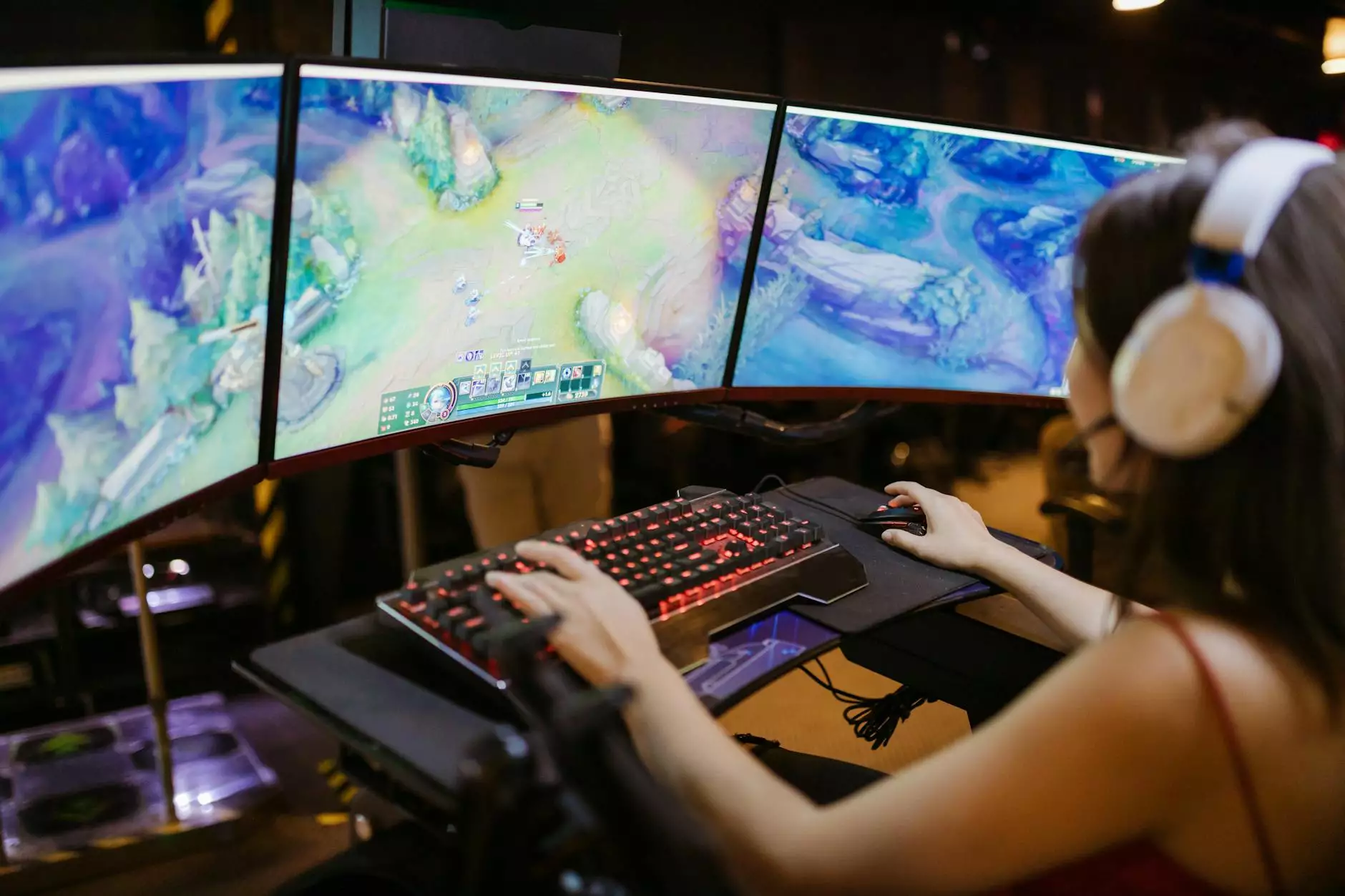
In today's digital landscape, the gaming industry has seen exponential growth, and Unity multiplayer game development stands at the forefront of this revolution. As gaming continues to evolve, the demand for immersive, interactive, and collaborative experiences has skyrocketed. This article explores the intricacies of Unity multiplayer game development, focusing on its benefits, technological nuances, and how Pingle Studio champions excellence in this domain.
Understanding Unity: The Foundation for Multiplayer Experiences
Unity is a versatile game development platform that empowers developers to create stunning 2D and 3D games. The engine provides a suite of powerful tools and features that streamline the game development process. Its user-friendly interface, extensive asset store, and robust scripting capabilities make it a go-to choice for both beginners and experienced developers. Here are some key features of Unity that lend themselves to multiplayer game development:
- Cross-Platform Compatibility: Unity enables developers to create games that can be deployed across multiple platforms, including PC, consoles, and mobile devices.
- Real-Time Rendering: The engine's powerful rendering capabilities ensure that games look stunning and run smoothly in real-time, enhancing the overall gaming experience.
- Asset Store Integration: Developers can access a rich repository of assets, tools, and plugins that can significantly reduce development time and increase creativity.
- Support for VR and AR: Unity's capabilities extend to virtual reality (VR) and augmented reality (AR), allowing for more immersive multiplayer experiences.
The Rise of Multiplayer Games
The demand for multiplayer games has soared as players seek social interaction in their gaming experiences. Multiplayer games foster a sense of community, allowing players to connect and collaborate, which enhances loyalty and engagement. With Unity, developers can easily implement multiplayer functionalities, enabling a wide variety of game types, including:
- Cooperative Games: Players work together to achieve common goals.
- Competitive Games: Players compete against each other in various scenarios.
- Massively Multiplayer Online Games (MMOs): Large-scale worlds that accommodate hundreds or thousands of players simultaneously.
- Social Gaming Platforms: Games designed primarily for social interaction and fun, often incorporating real-time chat features.
Key Benefits of Unity Multiplayer Game Development
Investing in Unity multiplayer game development offers numerous advantages to both developers and players. Here are some of the standout benefits:
1. Enhanced Player Engagement
Multiplayer games inherently boost player engagement by offering shared experiences. As players collaborate or compete, they form connections that keep them returning to the game. Unity's ease of use allows developers to create engaging gameplay mechanics that encourage players to interact, strategize, and immerse themselves in the game world.
2. Real-Time Interaction
Unity allows developers to implement real-time interactions seamlessly. This capability ensures that players can communicate and strategize without noticeable lag. Utilizing enabling technologies such as Photon Unity Networking (PUN) or Mirror Networking can significantly enhance the multiplayer experience.
3. Scalability
Another advantage of Unity multiplayer game development is scalability. As your game grows in popularity, Unity supports the capacity to expand your game’s load and maintain performance, ensuring that new players can join without disrupting the experience for existing players.
4. Accessibility
By supporting multiple platforms, Unity makes games accessible to a broader audience. Players can engage with their friends regardless of their device, which is crucial in maintaining a healthy player base.
Developing Multiplayer Games with Unity
The process of developing multiplayer games in Unity involves several critical steps to ensure success. Here’s an in-depth analysis of the steps involved:
1. Conceptualization and Design
Every successful game begins with a strong concept. Developers must outline their game's premise, target audience, and gameplay mechanics. A well-defined game design document (GDD) serves as the blueprint throughout development. Key aspects to consider include:
- Game Genre (e.g., shooter, RPG, strategy)
- Core Mechanics (e.g., team-based play, resource management)
- Art Style and Visual Aesthetics
- Player Progression and Rewards
2. Implementing Networking Solutions
Once the design is set, developers need to choose the right networking solution. Unity provides multiple options, including:
- Unity Transport: A low-level network layer that provides high performance.
- Photon Networking: A popular solution for real-time multiplayer games offering various features such as matchmaking and real-time updates.
- Mirror Networking: A community-driven solution that simplifies building multiplayer games with a focus on ease of use.
3. Building Game Mechanics
The gameplay mechanics dictate how players interact within your game. Developers must program player controls, camera systems, and interactions with the environment to ensure a smooth and enjoyable user experience. Test each mechanic rigorously to ensure they function correctly in a multiplayer context.
4. Testing and Quality Assurance
Testing is vital in multiplayer game development. The complexities of online interactions mean that bugs can arise that wouldn't be an issue in single-player games. Focus on:
- Pathfinding and AI behavior
- Network latency and performance
- Player synchronization
- User experience in multiplayer scenarios
5. Launch and Post-Launch Support
After thorough testing, your game can be launched. However, your responsibilities do not end there. Post-launch support is crucial for player retention. Regular updates, bug fixes, and new content can revitalize player interest, encourage community engagement, and build loyalty.
Pingle Studio: Your Partner in Unity Multiplayer Game Development
At Pingle Studio, we pride ourselves on being a leading game development outsourcing company. Our team consists of expert developers who specialize in Unity multiplayer game development. We understand that every project is unique, and we tailor our services to meet your specific needs. Here’s what sets us apart:
1. Expertise in Multiplayer Systems
Our developers are skilled in implementing complex multiplayer systems, ensuring smooth gameplay experiences regardless of the game size. We leverage the latest networking technologies to create games that can support numerous players without compromising performance.
2. Collaborative Approach
We believe in collaboration. Our team works closely with clients throughout the development process, ensuring transparency and adherence to project timelines. Your vision is our mission.
3. Comprehensive Quality Assurance
At Pingle Studio, we prioritize quality assurance. Our dedicated QA team rigorously tests games for bugs and performance issues, ensuring that the final product meets the highest standards before launch.
4. Ongoing Support and Maintenance
After launch, we continue to support our clients with regular updates and performance monitoring, ensuring that your game remains popular and competitive in the market.
Conclusion: The Future of Multiplayer Gaming
The landscape of gaming is rapidly evolving, and Unity multiplayer game development is at the heart of this transformation. With the right tools, a solid development strategy, and a dedicated partner like Pingle Studio, your vision can be transformed into a thriving multiplayer experience that captures the hearts and minds of players worldwide. Dive into the world of multiplayer game development, and let us help you create the next big hit in the gaming industry.