Comprehensive Strategies for Wheat Weevil Killer: Protecting Your Grain and Ensuring Farming Prosperity
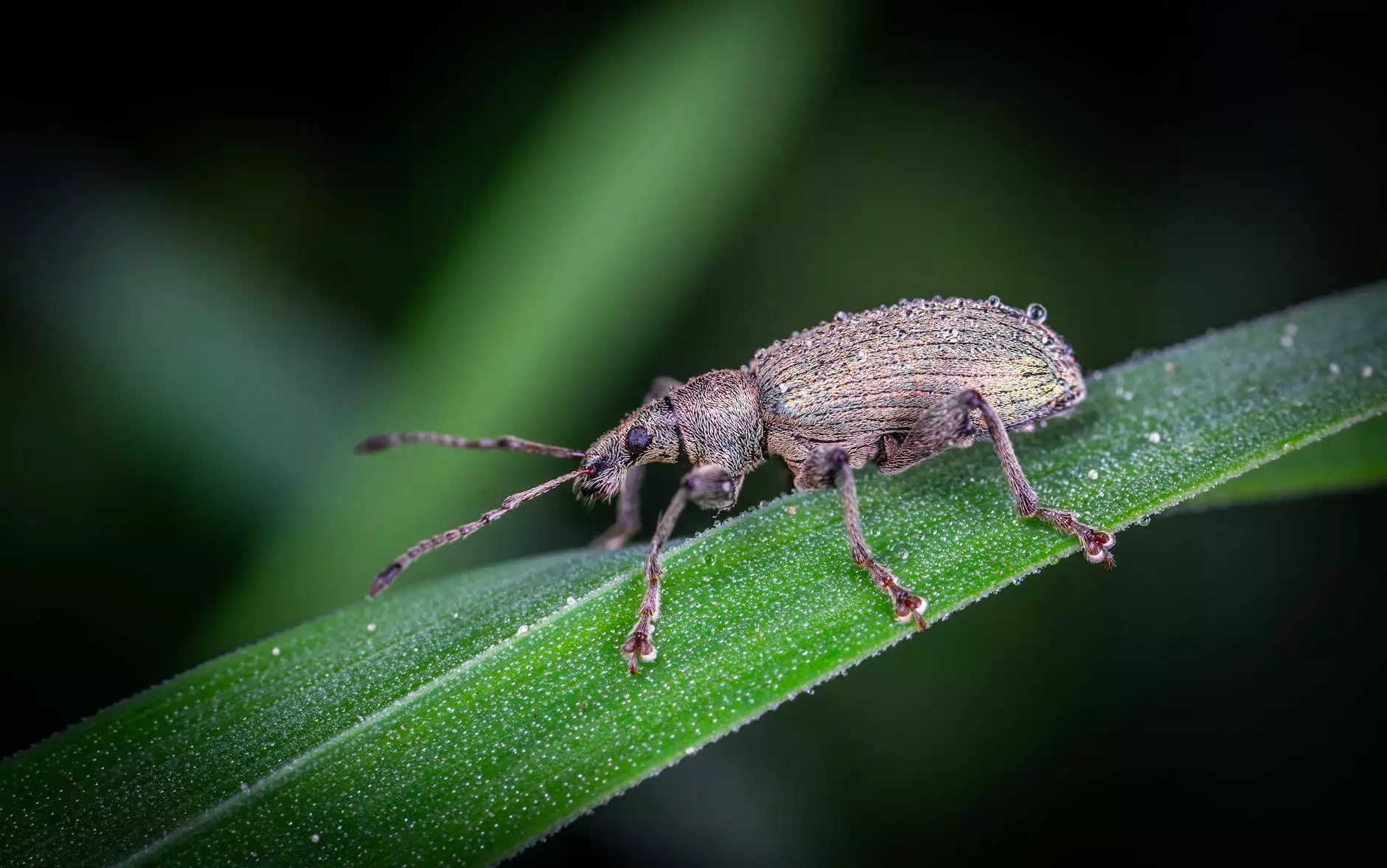
In the world of agriculture, few pests can cause as much damage to stored grains and farming operations as the infamous wheat weevil. These tiny, insidious insects infest wheat, barley, oats, and other grain stores, posing serious threats to farmers' livelihoods. An effective wheat weevil killer program is essential for maintaining the quality of your harvest, preventing economic losses, and ensuring the success of your farming enterprise.
Understanding the Threat of Wheat Weevils in Farming Operations
The wheat weevil, primarily known as Sitophilus granarius, is a destructive pest targeting stored grains. These pests reproduce rapidly within grain stores, destroying large quantities of wheat and other cereals if not managed properly. Their presence is often invisible until the damage becomes evident, such as:
- Decreased weight of stored grain
- Fouling of grain with frass (insect waste)
- Brown and spiraled adult weevils infesting the storage
- Off-odor and mold growth due to compromised grain integrity
Why Effective Wheat Weevil Killer Strategies Are Critical
Controlling wheat weevils requires a multi-faceted approach that integrates pest management, proper storage practices, and regular inspections. Because these pests can damage your yield even after harvest, implementing reliable wheat weevil killer solutions is critical to:
- Protect the integrity and quality of your stored grains
- Reduce economic losses associated with pest infestation
- Maintain compliance with food safety standards
- Enhance the overall profitability of your farm or grain storage business
Pre-Harvest and Post-Harvest Strategies for Wheat Weevil Control
Successful management begins before the grain hits storage containers, emphasizing integrated pest management (IPM) practices combined with precise application of wheat weevil killer solutions.
Pre-Harvest Measures
Preparing your wheat fields and harvesting process helps minimize pest carryover:
- Timely Harvesting: Harvest wheat at optimal maturity to reduce crop exposure time, which limits in-field pest reproduction.
- Clean Equipment: Ensure combines and other harvesting equipment are thoroughly cleaned to prevent grain contamination with weevils.
- Crop Rotation: Implement crop rotation practices to disrupt pest life cycles and reduce weevil populations naturally.
- Field Bagging and Covering: Use tarps or field coverings to restrict pest access during harvest and post-harvest drying.
Post-Harvest Storage and Pest Management
Once the grain is harvested, the emphasis shifts to effective storage practices combined with targeted pest control methods:
- Clean Storage Facilities: Regularly clean silos, bins, and storage units to eliminate residual pests and eggs.
- Proper Drying: Maintain grain moisture levels below 13% to inhibit weevil breeding.
- Use of Insecticides and Fumigants: Apply trusted wheat weevil killer products that are approved for food-grade storage to eradicate infestations.
- Monitoring and Inspection: Use pheromone traps and visual inspections to detect early signs of infestation.
- Sealed Storage Containers: Employ airtight containers or sealed bins to prevent weevil entry.
Choosing the Best Wheat Weevil Killer Products
With numerous pest control options available, selecting the most effective wheat weevil killer products is crucial. Consider the following:
- Safety and Certification: Ensure products are food-grade and approved by relevant regulatory agencies.
- Mode of Action: Use a combination of contact insecticides, fumigants, and physical barriers for comprehensive control.
- Applicability: Choose solutions suitable for your specific storage infrastructure—whether silos, bins, or bags.
- Environmental Impact: Opt for eco-friendly options that minimize environmental and human health risks.
Innovative Approaches and Professional Solutions in Pest Control
For large-scale operations, relying solely on chemical treatments may not suffice. Modern pest control incorporates integrated strategies that include:
- Cold Storage: Utilizing cold temperatures to inhibit weevil reproduction.
- Controlled Atmosphere Storage: Modulating oxygen and carbon dioxide levels to kill pests naturally.
- Biological Control: Introducing natural predators or using biopesticides formulated with organic components.
- Regular Professional Inspections: Engaging pest management experts from trusted firms like TSGC Inc. to assess and implement tailored solutions.
Enhancing Farming Equipment for Effective Pest Management
Proper farming equipment maintenance is pivotal in managing wheat weevil infestations. Outdated or poorly maintained equipment can harbor pest eggs, larvae, and adults. Investing in modern, high-quality farming equipment and farm equipment repair services ensures:
- Reduced pest habitat within machinery and storage units
- Minimized risk of cross-contamination during harvest and storage
- Efficient grain handling and storage processes
- Lower long-term costs through timely repairs and upgrades
Partnering with Professionals for Long-Term Wheat Weevil Control
Outsourcing pest management to experienced professionals such as TSGC Inc. brings numerous benefits:
- Expert assessment of pest risks and tailored pest control plans
- Access to high-quality, approved wheat weevil killer products
- Ongoing monitoring and prompt response to infestations
- Training for farm staff on best practices
Final Thoughts: Achieving Success with Effective Wheat Weevil Killer Strategies
In conclusion, safeguarding your grain and ensuring optimal yields depend on a comprehensive understanding of wheat weevil behavior and deploying effective wheat weevil killer strategies. Incorporate preventive measures, choose quality pest control products, maintain correct storage and handling practices, and collaborate with industry experts like TSGC Inc. for long-lasting results.
By taking these steps, farmers can greatly reduce pest-related losses, maintain high-quality grain, and secure a successful, profitable farming operation for seasons to come.