Understanding the Critical Role of CT Scan for Lung Cancer in Modern Medical Diagnostics
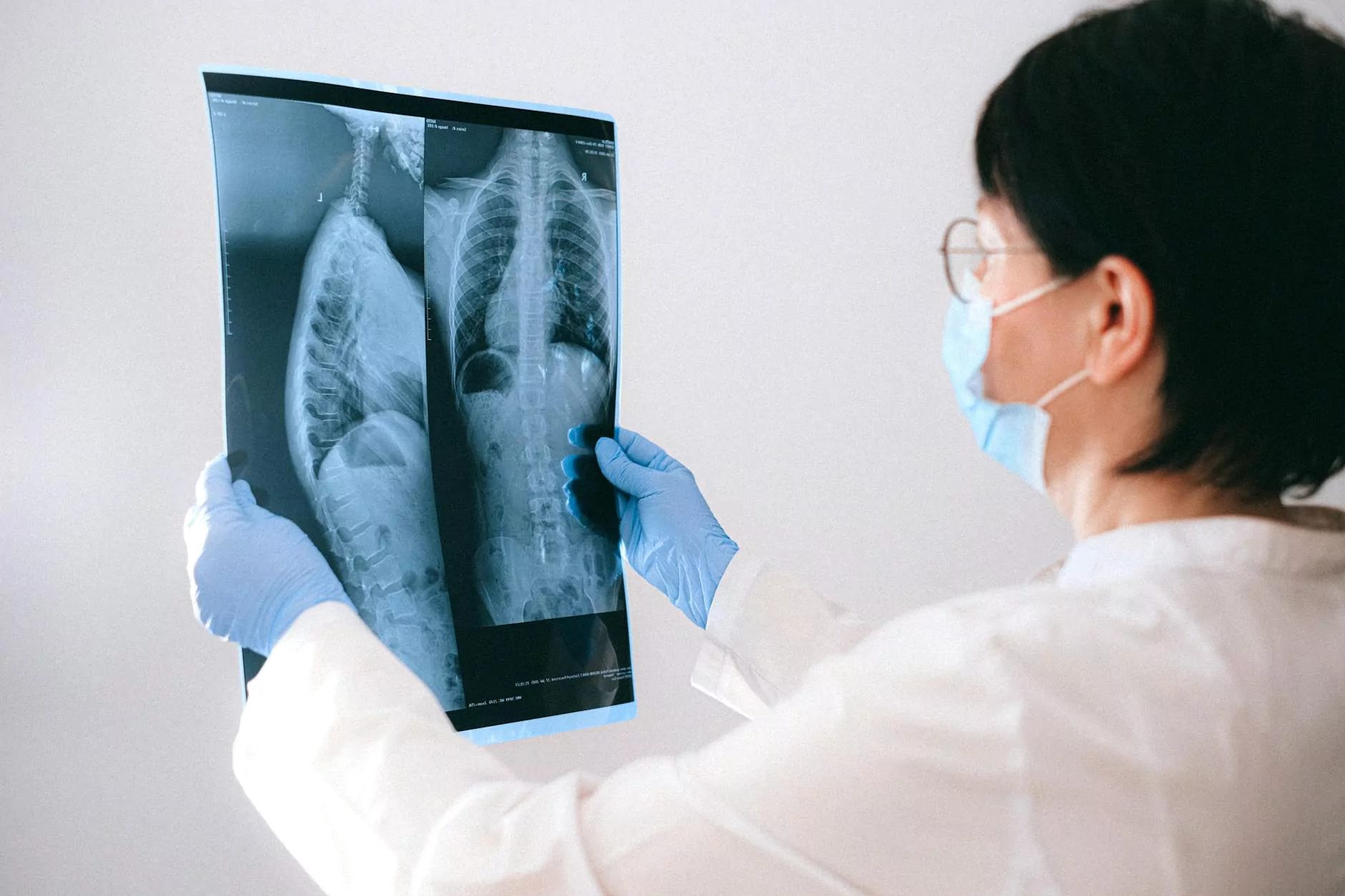
When it comes to detecting serious health conditions such as lung cancer, advanced imaging technologies are indispensable. Among these, the CT scan for lung cancer has emerged as a cornerstone in the early diagnosis, staging, and management of this potentially life-threatening disease. In this comprehensive guide, we explore the significance of CT scans in lung cancer detection, how they work, and why they are an essential component of contemporary healthcare, particularly within the scope of facilities like Hello Physio Singapore, specializing in health & medical services, sports medicine, and physical therapy.
What Is a CT Scan for Lung Cancer and How Does It Work?
A Computed Tomography (CT) scan is a sophisticated imaging technique that combines multiple X-ray images taken from different angles to produce detailed cross-sectional pictures of the body. When specifically used for lung cancer, this scan provides clear, high-resolution images of the lungs, enabling physicians to identify abnormal growths or lesions that might indicate the presence of malignant tumors.
The process involves the patient lying on a motorized table that moves through a large, donut-shaped scanner. During the scan, the X-ray tube rotates around the patient, capturing numerous images that are then processed by a computer to generate detailed 3D images of the lung structures. The distinct advantage of a CT scan for lung cancer lies in its ability to detect small nodules that may not be visible on standard chest X-rays, consequently facilitating earlier diagnosis and intervention.
The Importance of CT Scan for Lung Cancer in Early Diagnosis
Why Early Detection Matters
Lung cancer often progresses silently, with symptoms manifesting only in advanced stages. Therefore, early detection is crucial for improving prognosis and expanding treatment options. The CT scan for lung cancer plays a pivotal role here, as it can identify tumors that are just a few millimeters in size, long before they cause noticeable symptoms.
Screening High-Risk Populations
- Current or former smokers, particularly those with a history of heavy smoking
- Individuals aged 55-80 with a history of smoking
- People with a family history of lung cancer
- Persons exposed to occupational hazards like asbestos or radon
Screening via low-dose CT scans for these high-risk groups has proven to significantly reduce mortality rates by catching lung cancers early, enabling more effective treatments that can potentially save lives.
How a CT Scan for Lung Cancer Aids in Accurate Diagnosis and Staging
Once a suspicious nodule or mass is detected, the CT scan for lung cancer provides vital information about the size, shape, and location of the tumor. It also helps determine whether the cancer has spread to nearby lymph nodes or other parts of the body, which is essential for accurate staging.
Staging and Treatment Planning
Staging refers to assessing how far the cancer has spread within the lungs or to other organs. The detailed images from a CT scan for lung cancer enable healthcare providers to classify the cancer accurately as stage I, II, III, or IV, guiding treatment options such as surgery, radiation therapy, chemotherapy, immunotherapy, or targeted therapy.
Guiding Biopsy Procedures
Sometimes, a biopsy is necessary to confirm malignancy. The CT scan for lung cancer assists interventional radiologists and pulmonologists in guiding needle biopsies with high precision, minimizing complications and ensuring adequate tissue sampling for diagnosis.
The Process of a CT Scan for Lung Cancer at Hello Physio
At Hello Physio, employing state-of-the-art imaging technologies, the process of conducting a CT scan for lung cancer is streamlined, ensuring patient comfort and accuracy:
- Preparation: Patients may be asked to avoid eating or drinking for a few hours before the scan. They should inform the technician about any allergies, especially to contrast dye, if used.
- Positioning: The patient lies comfortably on the scanner table, often asked to hold their breath during imaging to prevent movement artifacts.
- Scanning: The technician operates the scanner from a separate room, ensuring safety. The scan typically takes less than 30 minutes.
- Post-Procedure: Patients are usually free to resume normal activities immediately, with results analyzed by radiologists specialized in thoracic imaging.
Advantages of CT Scan for Lung Cancer
- High Sensitivity: Can detect minute nodules as small as a few millimeters.
- Non-Invasive: Does not require surgery or any invasive procedures initially.
- Quick and Painless: The process is fast, comfortable, and with minimal risk.
- Guides Treatment: Provides detailed information to plan surgical or non-surgical treatments.
- Monitoring Effectiveness: Allows physicians to track tumor response to therapy over time.
Risks and Limitations of the CT Scan for Lung Cancer
While the CT scan for lung cancer is a powerful diagnostic tool, it is important to recognize some limitations:
- Radiation Exposure: Repeated scans increase cumulative radiation dose, though low-dose protocols mitigate this risk.
- False Positives: Benign nodules may sometimes be mistaken for malignant ones, leading to unnecessary biopsies.
- Incidental Findings: Sometimes, scans reveal unrelated abnormalities requiring further testing.
- Not a Standalone Diagnostic: Must be used in conjunction with biopsies, laboratory tests, and clinical evaluation for definitive diagnosis.
The Future of Lung Cancer Detection: Advances in CT Technology
Innovations in imaging technology continue to improve the efficacy of CT scans for lung cancer. Developments such as artificial intelligence (AI) integration teach algorithms to better distinguish benign from malignant nodules, reducing false positives and improving early detection. Moreover, improvements in low-dose CT protocols enhance patient safety without compromising image quality.
Why Choose Hello Physio for Your Lung Health and Imaging Needs?
At Hello Physio, our commitment to excellence in healthcare is reflected in our investment in cutting-edge imaging technology and dedicated medical professionals. Our comprehensive approach ensures that:
- Patients receive accurate and timely diagnoses through advanced CT scan services.
- We offer a patient-centric environment emphasizing comfort and clarity throughout the diagnostic process.
- Our multidisciplinary team collaborates seamlessly to interpret imaging results within the broader context of your health and medical history.
- We prioritize safety, using the latest low-dose protocols and standardized procedures.
Conclusion: The Crucial Role of CT Scan for Lung Cancer in Healthcare
In conclusion, the CT scan for lung cancer is a revolutionary tool that has transformed the landscape of pulmonary medicine. Its ability to detect early-stage lung cancer, inform staging, guide biopsies, and monitor treatment response makes it indispensable in improving patient outcomes. For residents in Singapore seeking reliable, advanced imaging services within a comprehensive health & medical framework, sports medicine, and physical therapy domain, Hello Physio stands out as a trusted provider dedicated to your lung health and overall well-being.
Ensure your lung health is prioritized; schedule your CT scan for lung cancer today with Hello Physio and take proactive steps toward a healthier future.