Unlocking Business Success with Smart Strategies in Department Stores, Shopping, and Fashion
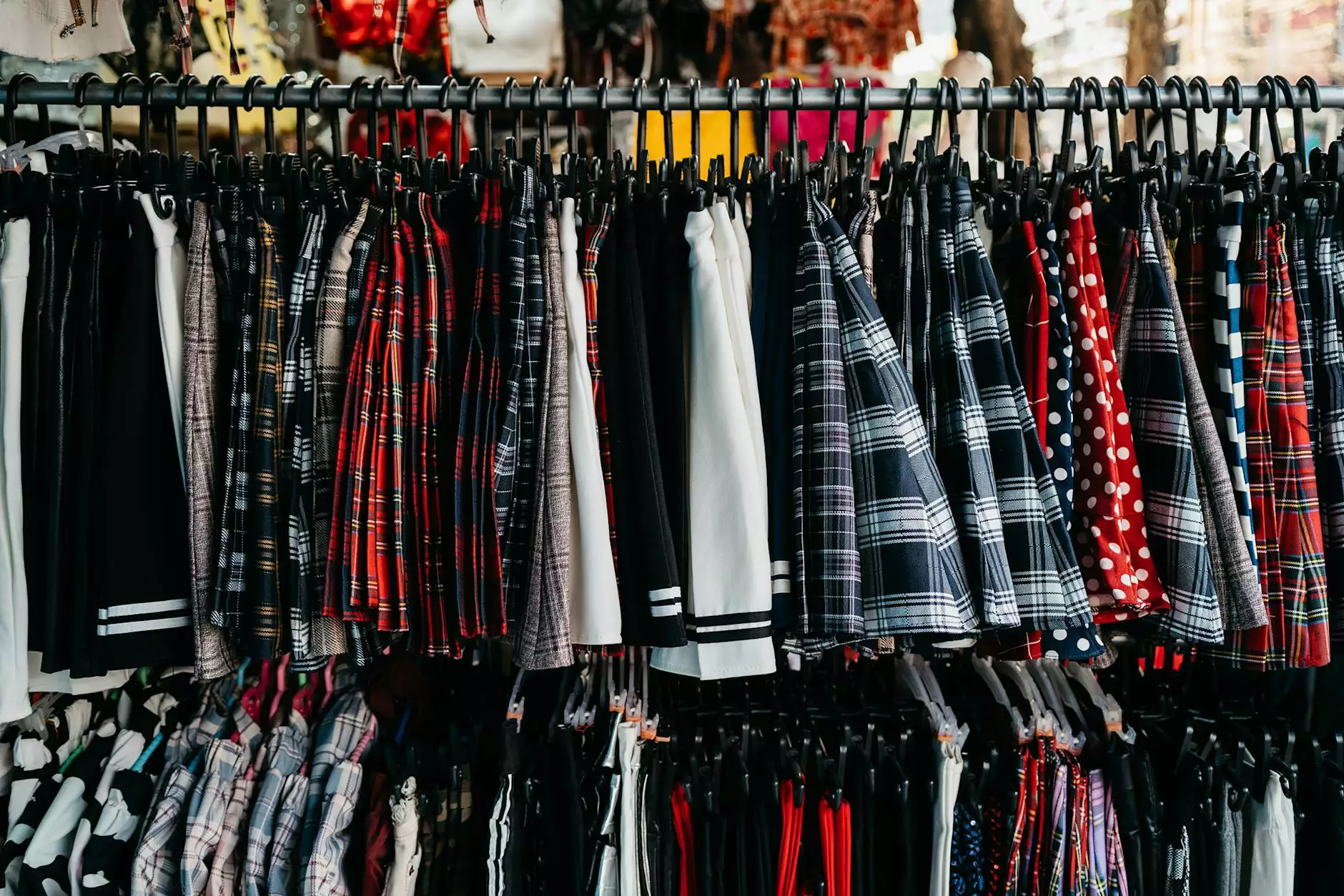
In the ever-evolving landscape of commerce, the sectors of department stores, shopping, and fashion continue to be among the most dynamic and competitive industries today. For entrepreneurs and established businesses alike, understanding how to navigate these markets, harness emerging trends, and implement effective operational strategies is essential for sustainable growth and profitability.
Understanding the Business Landscape of Department Stores, Shopping, and Fashion
These interconnected sectors form the cornerstone of a vibrant retail ecosystem that caters to diverse consumer needs. Each branch plays a vital role in shaping consumer behavior, influencing trends, and generating revenue streams.
The Evolution of Department Stores
Once considered the epitome of retail luxury, department stores have transformed significantly over the past few decades. Modern department stores now emphasize a seamless blend of traditional shopping experiences with innovative integrations such as online shopping portals, personalized customer services, and curated brand collaborations. These establishments serve as one-stop destinations for consumers seeking convenience, variety, and quality.
Trends in Shopping Culture
The shift toward digital marketplaces, social media influence, and experiential shopping has revolutionized how consumers engage with brands. Omnichannel strategies—where physical and online shopping experiences are seamlessly integrated—are now fundamental to capturing broader audiences. Shopping is no longer limited by location; it has become a personalized journey tailored via mobile apps, virtual try-ons, and augmented reality experiences.
The Flourishing Fashion Industry
Fashion is a cornerstone of cultural identity and self-expression. The industry is characterized by rapid cycles of trend turnover, sustainable practices, and technological innovations such as 3D printing and AI-driven styling suggestions. Brands that adapt quickly to these changes build loyal customer bases and sustain competitive advantages.
Key Strategies for Business Growth in These Sectors
To succeed and outrank competitors in department stores, shopping, and fashion, businesses must adopt comprehensive strategies that encompass marketing, customer experience, operational efficiency, and legal compliance.
1. Leveraging Data-Driven Marketing
Implementing advanced analytics helps identify consumer preferences, optimize inventory management, and personalize marketing campaigns. Data insights allow businesses to target the right audience at the right time, increasing conversion rates and customer retention.
2. Enhancing Customer Experience with Innovation
Offering a memorable shopping experience is crucial. This can be achieved through immersive store layouts, virtual reality experiences, personalized styling advice, and seamless online-to-offline integration. Building a strong online presence via social media advertising and influencer collaborations further amplifies brand visibility.
3. Embracing Sustainability and Ethical Practices
The modern consumer increasingly values brands committed to sustainability. Incorporation of eco-friendly materials, transparent supply chains, and ethical labor practices can differentiate your business and foster long-term loyalty.
4. Optimizing Operations for Efficiency
Streamlining inventory management, adopting flexible supply chain solutions, and leveraging automation tools reduce costs and improve service levels. These improvements ensure your business remains agile in the face of market fluctuations.
5. Navigating Legal and Financial Aspects Effectively
A crucial component of business success involves proper legal and financial management. Engaging with a cheap tax lawyer can provide cost-effective legal solutions, ensure compliance with tax regulations, and help strategize tax planning to maximize profits. Proper legal counsel minimizes risks associated with contracts, intellectual property, and employment issues, which are prevalent in retail and fashion industries.
The Importance of a Cheap Tax Lawyer for Your Business
Running a business in the competitive sectors of department stores, shopping, and fashion requires meticulous financial planning and legal adherence. Hiring a cost-effectivetax lawyer offers numerous advantages:
- Cost Savings: A cheap tax lawyer helps reduce legal and tax-related expenses, ensuring your business remains financially healthy.
- Tax Optimization: They can identify deductions, credits, and incentives specific to your industry, thus lowering your effective tax rate.
- Legal Compliance: Navigating complex tax laws ensures your business avoids penalties and legal conflicts.
- Strategic Planning: Effective tax and legal strategies support long-term growth and expansion plans.
- Risk Management: Proactive legal advice minimizes exposure to audits, lawsuits, or other legal risks that can threaten business continuity.
How to Choose the Right Cheap Tax Lawyer for Your Business
With numerous legal professionals available, selecting the best cheap tax lawyer requires strategic assessment. Here are vital factors to consider:
- Experience in Retail and Fashion Sectors: Industry-specific knowledge leads to better advice and tailored strategies.
- Reputation and References: Seek reviews or testimonials from other business owners.
- Transparent Fees: Ensure the lawyer provides clear pricing structures—preferably flat fees or affordable hourly rates.
- Accessibility and Communication: An approachable lawyer who communicates clearly helps streamline legal processes.
- Proactive Approach: Look for legal counsel who anticipates issues and offers preventive strategies rather than reactive responses.
Future Trends in Business for Department Stores, Shopping, and Fashion
Staying ahead of industry trends is crucial for long-term success. The next decade promises exciting developments:
- Increased Adoption of Artificial Intelligence: AI will continue to personalize shopping experiences and optimize inventory and logistics.
- Growth of Sustainable Fashion: Consumers’ demand for environmentally friendly products will compel brands to adopt greener practices.
- Omnichannel Expansion: Merging online, mobile, and physical retail will become more sophisticated, providing seamless customer journeys.
- Use of Augmented Reality (AR) and Virtual Reality (VR): Enhancing interactive shopping and virtual try-on technologies.
- Legal Adaptations: Laws around data privacy, intellectual property, and international trade will evolve, underscoring the need for ongoing legal advisory.
Conclusion: Building a Resilient and Profitable Business
Achieving success in the bustling sectors of department stores, shopping, and fashion requires strategic vision, innovative marketing, operational excellence, and sound legal support. Embracing technological advancements and sustainability principles positions your business ahead of competitors.
Most importantly, leveraging affordable legal expertise, including a cheap tax lawyer, ensures robust compliance and financial optimization, unlocking the full potential of your enterprise. By combining these elements, your business can flourish in a competitive environment, attract loyal customers, and sustain long-term profitability.
Invest in knowledge, innovation, and expert advice today to build a resilient, thriving business that stands out in the ever-competitive marketplaces of department stores, shopping, and fashion.